Shisha, also known as hookah or waterpipe, is far more than a method of smoking—it is a tradition deeply rooted in history, culture, and social connection. For centuries, shisha has served as a symbol of hospitality, conversation, and shared moments across regions and generations.
Origins of the Waterpipe
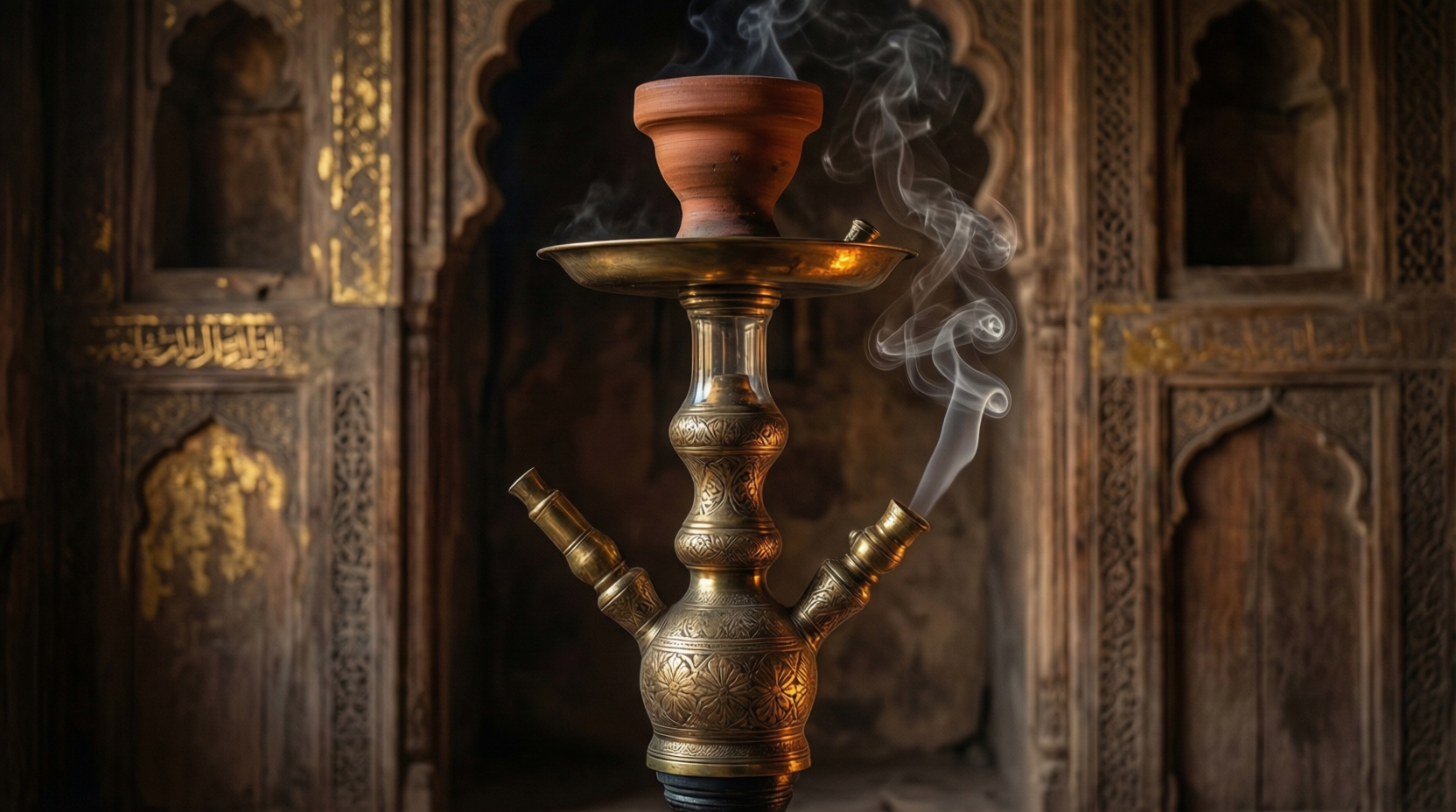
The origins of shisha trace back several centuries, with historical references pointing to South Asia and the Middle East. Early waterpipes were simple in design, often crafted from natural materials such as coconut shells and clay. The purpose was not indulgence, but refinement—cooling and filtering smoke to create a smoother experience.
Cultural Expansion Across Regions
As trade routes expanded, so did shisha culture. It found a place in royal courts, intellectual gatherings, and social spaces. Each region contributed its own influence—refining designs, introducing decorative artistry, and developing unique preparation rituals.
Shisha in the Modern Era
Today, shisha has evolved into a globally appreciated tradition. While modern innovations have enhanced convenience and consistency, the essence remains unchanged: relaxation, reflection, and meaningful social interaction.
Shisha’s enduring presence across centuries is a testament to its cultural significance—a tradition that continues to adapt while honoring its roots.



Hi, this is a comment.
To get started with moderating, editing, and deleting comments, please visit the Comments screen in the dashboard.
Commenter avatars come from Gravatar.